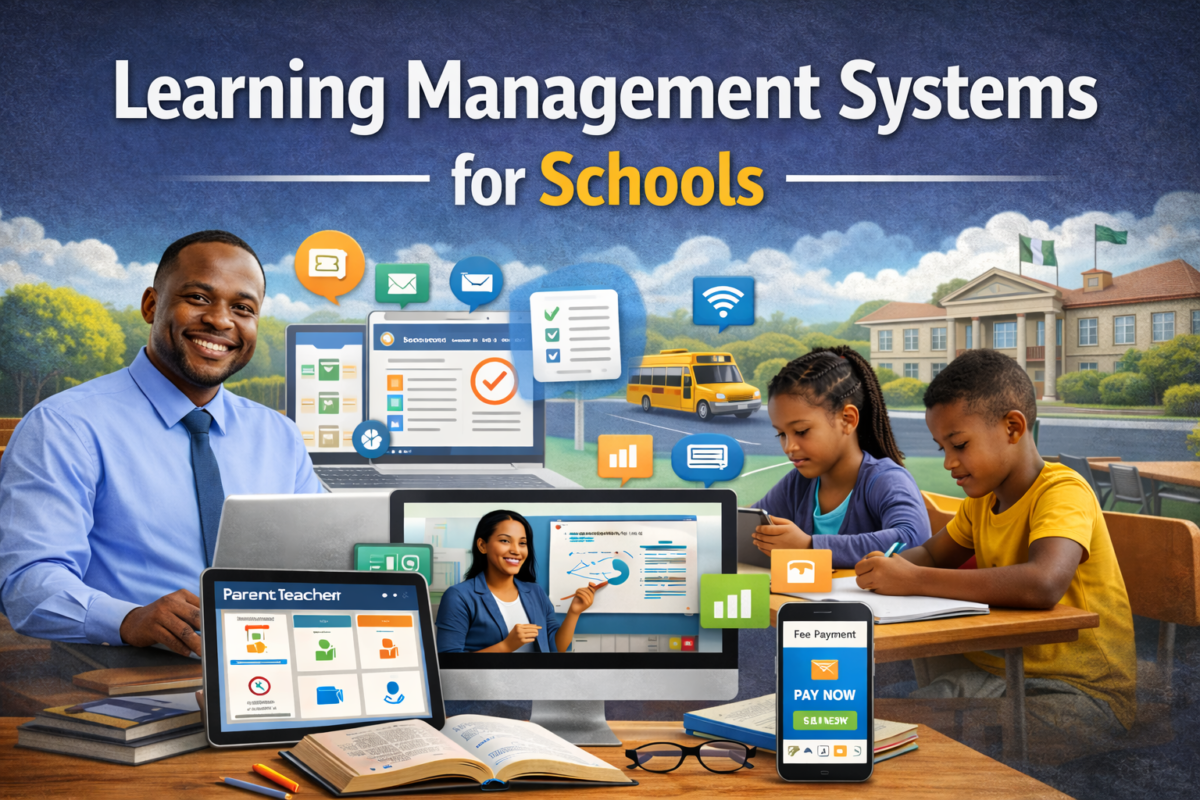

In recent years, the shift to digital learning and administration in Nigerian schools has gained remarkable momentum. With the continuous growth of the internet and mobile technologies, Learning Management Systems (LMS) are quickly becoming an essential tool in modern education. Whether you’re an educator, school administrator, or parent, understanding how LMS platforms work and what benefits they offer is crucial for optimizing educational outcomes. This guide will provide comprehensive insights into school management software, key LMS features, and the future of digital learning.
What is a Learning Management System (LMS)?
A Learning Management System is a software platform used by schools and educational institutions to manage, deliver, and track educational content. It allows schools to offer online learning, track student performance, and manage administrative tasks such as attendance, grading, and communication between teachers, students, and parents. In Nigeria, LMS platforms are increasingly being adopted to improve the quality of education, streamline administrative processes, and enhance the learning experience for students.
Why Should Nigerian Schools Use LMS?
As educational systems worldwide continue to evolve, Nigerian schools are increasingly recognizing the need for LMS platforms to facilitate remote learning and improve overall school management. Here’s why:
1. Streamlining Administration
LMS platforms simplify the process of managing student data, attendance tracking, grades, and communication. With these tools, administrators can access a centralized database, making it easier to monitor student progress and generate reports.
2. Enhancing Learning Experiences
LMS platforms provide students with access to a range of digital learning tools, including e-books, videos, quizzes, and assignments. This allows students to learn at their own pace and provides teachers with better insight into their learning patterns.
3. Facilitating Remote Learning
With the growing demand for hybrid and online learning, LMS platforms offer a reliable solution. They allow schools to continue delivering education even when students are unable to attend physical classes.
Key Features of LMS for Schools
When selecting an LMS platform for your school, it is essential to look for a solution that offers features that will enhance the learning experience for students, while also making administrative tasks more manageable. Some key features include:
1. Attendance Tracking
Managing student attendance can be time-consuming. With digital attendance tracking, teachers can monitor attendance in real time, providing instant insights into student participation.
2. Grading and Assessment Tools
LMS platforms allow teachers to create automatically and grade assignments, quizzes, and exams. Real-time grading ensures that students receive instant feedback, helping them improve faster.
3. Student Information System (SIS)
The SIS feature allows administrators and teachers to store all student data in one location. This includes personal information, academic performance, and attendance history.
4. Communication Tools
Effective communication is crucial in a learning environment. LMS platforms often feature messaging systems, discussion boards, and real-time alerts that facilitate communication between students, teachers, and parents.
5. Online Learning Resources
LMS platforms offer access to a variety of online learning materials such as e-books, instructional videos, and interactive modules, making learning more engaging and accessible.
How to Choose the Best LMS for Your School
Selecting the right LMS platform can be daunting, especially with so many options available. Here are some factors to consider:
1. Ease of Use
Choose a platform that is easy to navigate for both teachers and students. The LMS should have a user-friendly interface and require minimal training.
2. Customization Option
Schools have unique needs, and a customizable LMS can be tailored to fit your institution’s requirements. Look for platforms that allow customization in terms of content delivery, grading systems, and reporting.
3. Integration with Other School Systems
To ensure smooth operations, the LMS platform should integrate with existing school management software, such as student information systems (SIS) and finance management systems.
4. Support and Training
Choose an LMS platform that provides robust support and training for staff. An excellent training program will ensure that teachers and administrators are well-equipped to use the platform effectively.
LMS Pricing for Schools: What to Expect in 2026
When considering an LMS for schools, pricing is a key factor. The cost can vary based on the platform’s features, number of users, and whether the system is cloud-based or self-hosted. Here’s what to expect in 2026:
1. Cloud-Based LMS
These platforms are typically more affordable upfront and are hosted on third-party servers. Schools pay a monthly or annual subscription fee based on the number of users. For Nigerian schools, cloud-based LMS platforms are often more budget-friendly and require less technical expertise to manage.
2. Self-Hosted LMS
Self-hosted LMS platforms are installed on the school’s servers. While they generally have higher upfront costs for installation and maintenance, they offer more control over the system and greater customization options.
3. Pricing Tiers
Most LMS providers offer pricing tiers based on the features they offer. Schools can choose from basic plans, which typically include essential features such as attendance tracking and grading, to advanced plans with additional tools, including AI-driven analytics, mobile access, and gamification.
Benefits of LMS for Nigerian Schools
Implementing an LMS for schools offers numerous benefits to Nigerian educational institutions:
- Increased Efficiency: With digital systems in place, administrative tasks are streamlined, allowing teachers to focus more on teaching and less on paperwork.
- Better Learning Outcomes: The accessibility of online learning resources and personalized learning paths helps improve student engagement and academic performance.
- Cost-Effective: Although there is an initial investment in the LMS platform, it can save costs in the long run by reducing the need for physical materials and simplifying administrative processes.
- Scalability: LMS platforms allow schools to scale easily as student numbers grow, ensuring that the system can accommodate new students without requiring significant upgrades.
Challenges of Implementing LMS in Nigerian Schools
Despite the numerous benefits, there are several challenges Nigerian schools face when implementing LMS platforms:
- Infrastructure: Access to reliable internet and technology is still a significant barrier for some schools in Nigeria.
- Training and Support: Teachers may need training to use the LMS effectively. Schools must invest in proper training and technical support to ensure the system’s success.
- Resistance to Change: Some teachers and administrators may resist transitioning from traditional methods to digital learning. Schools need to ensure they have change management strategies in place.
For more on how to train teachers for LMS success, visit this article.
Conclusion
The role of LMS platforms in modern education cannot be overstated. As Nigerian schools continue to embrace digital solutions, Learning Management Systems will play a pivotal role in improving school management, student engagement, and overall educational quality. By understanding the key features, benefits, and challenges of LMS platforms, schools can make informed decisions that enhance the learning experience for both students and teachers.
If you’re ready to take the next step in digital transformation, consider exploring Excel Mind’s school management software, which integrates seamlessly with LMS platforms to provide a complete solution for Nigerian schools.
Key Takeaways
- LMS platforms streamline administrative tasks, enhance learning, and improve communication.
- Nigerian schools should prioritize features like attendance tracking, grading, and parent-teacher communication when choosing an LMS.
- Pricing for LMS platforms can vary, with options for both cloud-based and self-hosted systems.
- Excel Mind’s school management software integrates with LMS platforms to help Nigerian schools improve administration and student performance.
FAQs
1. What is an LMS for schools?
An LMS for schools is a platform for managing, delivering, and tracking educational content and activities. It streamlines administrative tasks, enhances learning, and facilitates communication between teachers, students, and parents.
2. How does LMS improve school administration?
LMS platforms automate tasks such as attendance tracking, grading, and report generation, making it easier for administrators to manage school operations and monitor student progress.
3. What are the benefits of using LMS in Nigerian schools?
LMS platforms offer benefits such as improved administrative efficiency, better student engagement, personalized learning, and cost savings by reducing the need for physical materials.
4. How do I choose the best LMS for my school?
When choosing an LMS for your school, consider factors such as ease of use, scalability, integration with existing systems, and the level of support and training provided. Choose a platform that meets your school’s specific needs and budget.